Bath fungal weapon
The RookThe Bath fungal weapon is a Grafter-developed biological weapon intended to subjugate people and spread across large areas once activated. It is central to the operative’s account of the Grafters’ infiltration plans, but its mention also forces Myfanwy to confront the terror of the Bath incident and question whether his professed desire for peace can be trusted.
Development and Intended Use
The Belgian Grafter says that he personally oversaw the weapon’s development and placement, describing it as a fungal weapon of mass destruction. He also says that he headed the acquisition and indoctrination of collaborators and established Camp Caius. These projects belonged to a coordinated effort to prepare the Grafters’ plants within the Checquy for a putsch.
The weapon’s danger lies in its capacity to act on a broad scale: the operative explains that, once activated, it can subjugate human beings and engulf vast areas. The evidence identifies the project as a contingency plan, but gives no further technical account of its operation or the precise circumstances of its construction.
Bath and Myfanwy’s Response
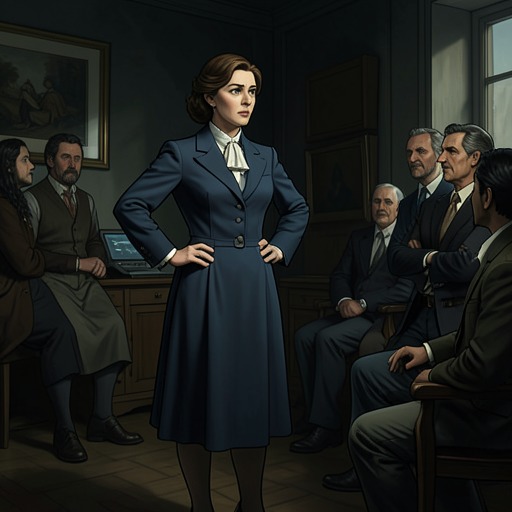
When Myfanwy asks whether the plans were intended to marry the two organizations, the operative’s casual reference to the Bath fungus brings back the terror of that day. Until then, his pleasant manner had allowed her to relax somewhat despite his being a centuries-old enemy. Mention of the weapon restores her awareness of the danger, as does his dismissive treatment of hacking someone’s memory.
The exchange makes the weapon more than an item in a catalogue of Grafter preparations: it is the reminder that the operative’s political plans have already involved an active threat in Bath. Myfanwy’s reaction marks the distance between his calm account of strategy and the consequences she associates with the fungus.
Contingency Plans and Conflicting Accounts
Myfanwy asks whether activating the mold factory in Bath was another contingency plan, alongside the flesh-cube incident in Reading. The Belgian confirms the Bath connection but says the Reading action was not his, suggesting that Gerd had improvised. Myfanwy remains unconvinced: she reasons that the operative must have known such activations would foreclose compromise, and suspects that his cousin used a measure intended as a last resort as a first strike.
This unresolved disagreement complicates the weapon’s place in the larger conflict. The Belgian presents his projects as part of an attempt to persuade the Checquy to join with the Grafters; Myfanwy sees their activation as evidence that the plans could instead destroy the possibility of agreement. The fungal weapon therefore embodies the tension between the operative’s stated politics of reconciliation and the coercive, catastrophic means embedded in his strategy.